
What can you realistically commit to, and what would need to change to deliver on those commitments?
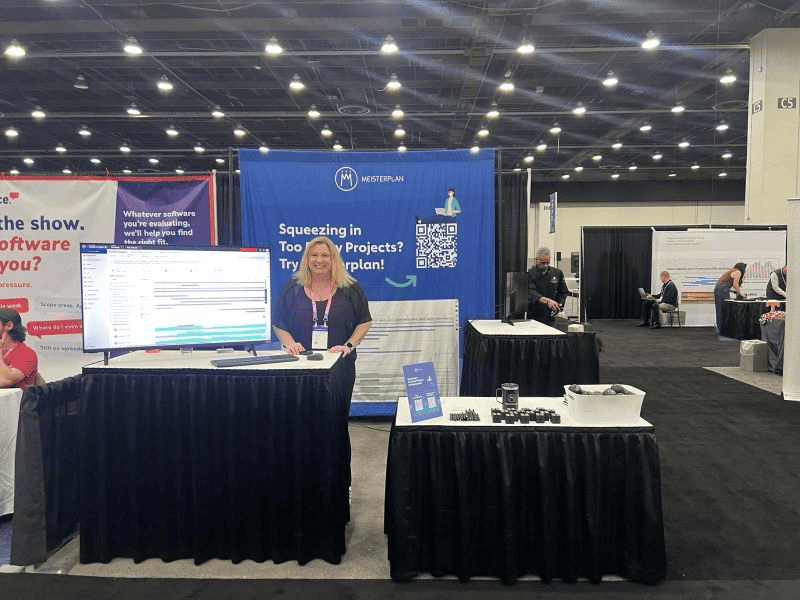
That question was at the heart of many of our conversations at the Meisterplan booth during PMI Global Summit 2026. As sponsors, we met projectProjectA project is a time-limited undertaking with defined objectives and resources that delivers unique results and often includes complex tasks. portfolio professionals looking for better ways to understand resourceResourceResources are all the people, places and things that you need to complete projects. The most important resource? Employees, of course! capacity and make decisions across their projects.
Some were getting started with capacity planningCapacity PlanningCapacity planning and management refers to the process of matching the “capacity supply” (employees, resources, skills, etc.) with the “capacity demands” (projects) of an organization. It is considered a part…. Others already had established portfolio management tools and wanted to understand how our approach differed. What resonated was how Meisterplan gives people the visibility to see the trade-offs and open up conversations about what should take priority.
A new initiative may arrive labeled urgent. Active projects may already have people and deadlines committed to them. Bringing those demands into one view helps people examine what each option would mean and decide which work should take precedence.
Bringing the Portfolio into View
Several people we spoke with described teams working in Jira, Smartsheet, Asana, and other systems. They wanted a higher-level view that could help them make decisions across that work.
Where are the people we need already allocated? Which projectsProjectA project is a time-limited undertaking with defined objectives and resources that delivers unique results and often includes complex tasks. are competing for the same capacity? What would have to change to make a particular plan feasible?
These questions apply to both proposed and active work. A project’s importance needs to be considered alongside the other commitments drawing on the same people. Seeing those relationships makes it easier to discuss whether the current plan reflects the organization’s priorities.
At the booth, we explored how Meisterplan brings project commitments and resourceResourceResources are all the people, places and things that you need to complete projects. The most important resource? Employees, of course! capacity together at the portfolio level. Teams can continue working in their existing delivery tools. Those coordinating the portfolio can add future resource needs, test changes to timing and allocationsAllocationAllocating describes the strategic process of identifying the correct resources for projects or individual tasks and assigning them accordingly., and see how those choices affect the overall plan.
Understanding the Trade-Offs Helps Clarify Priorities
Our Product Theater presentation, “Squeezing in Too Many ProjectsProjectA project is a time-limited undertaking with defined objectives and resources that delivers unique results and often includes complex tasks.? Build Portfolios that Actually Work with Meisterplan,” addressed a challenge that also resonated in our booth conversations: deciding what can realistically move forward with the people available.
A request to accelerate one initiative becomes a more informed discussion when everyone can see which other projects would be affected. Moving an active project might free capacity, but it also changes an existing commitment. Keeping that project on schedule may mean that proposed work needs to wait.
Meisterplan makes those consequences visible. What-if scenariosScenarioIn project portfolio management (PPM), scenarios are potential ways that your portfolio can look, based on a set of well-defined assumptions and portfolio decisions. Scenario planning is used to forecast… let people explore changes to timing and resourceResourceResources are all the people, places and things that you need to complete projects. The most important resource? Employees, of course! allocationsAllocationAllocating describes the strategic process of identifying the correct resources for projects or individual tasks and assigning them accordingly. before committing to a revised plan.
Seeing those consequences helps people weigh the value of a proposed initiative against the impact on existing commitments. They may decide that the new work warrants a change, or that completing active projects takes precedence. Visitors responded to being able to explore those options in Meisterplan and use what they saw to open up the discussion.
Making Capacity Planning Manageable
People also cared about how much effort it would take to establish and maintain that view. Our conversations included interest in an intuitive tool people would actually use and a lightweight way to get started with capacity planningCapacity PlanningCapacity planning and management refers to the process of matching the “capacity supply” (employees, resources, skills, etc.) with the “capacity demands” (projects) of an organization. It is considered a part….
For future work, that means being able to assess resourceResourceResources are all the people, places and things that you need to complete projects. The most important resource? Employees, of course! needs without first building detailed taskTaskSynonym for → ProjectA project is a time-limited undertaking with defined objectives and resources that delivers unique results and often includes complex tasks. plans for every initiative. With enough information about timing, resource demand, and availability, organizations can begin evaluating feasibility and refine the detail as work approaches.
One visitor saw the potential for their organization but was concerned about introducing a new process. We discussed starting with one department and using a trial to explore their own planning needs. That conversation highlighted another practical consideration: getting started needs to feel manageable for the people who will use the approach.

Continuing the Conversation
People also cared about how much effort it would take to establish and maintain that view. Our conversations included interest in an intuitive tool people would actually use and a lightweight way to get started with capacity planningCapacity PlanningCapacity planning and management refers to the process of matching the “capacity supply” (employees, resources, skills, etc.) with the “capacity demands” (projects) of an organization. It is considered a part….
For future work, that means being able to assess resourceResourceResources are all the people, places and things that you need to complete projects. The most important resource? Employees, of course! needs without first building detailed taskTaskSynonym for → ProjectA project is a time-limited undertaking with defined objectives and resources that delivers unique results and often includes complex tasks. plans for every initiative. With enough information about timing, resource demand, and availability, organizations can begin evaluating feasibility and refine the detail as work approaches.
One visitor saw the potential for their organization but was concerned about introducing a new process. We discussed starting with one department and using a trial to explore their own planning needs. That conversation highlighted another practical consideration: getting started needs to feel manageable for the people who will use the approach.
We appreciated the opportunity to explore these challenges with visitors at PMI Global Summit, both at our booth and following the Product Theater.
One question worth bringing back to your own organization is whether the people setting priorities can see the consequences of their choices across the portfolio. Making those consequences visible creates room to discuss which commitments should stand, which should change, and what can realistically move forward.
If you are working through similar questions, we would welcome a conversation about how to compare options across your portfolio and understand what each would mean for your people and commitments.
Read Next

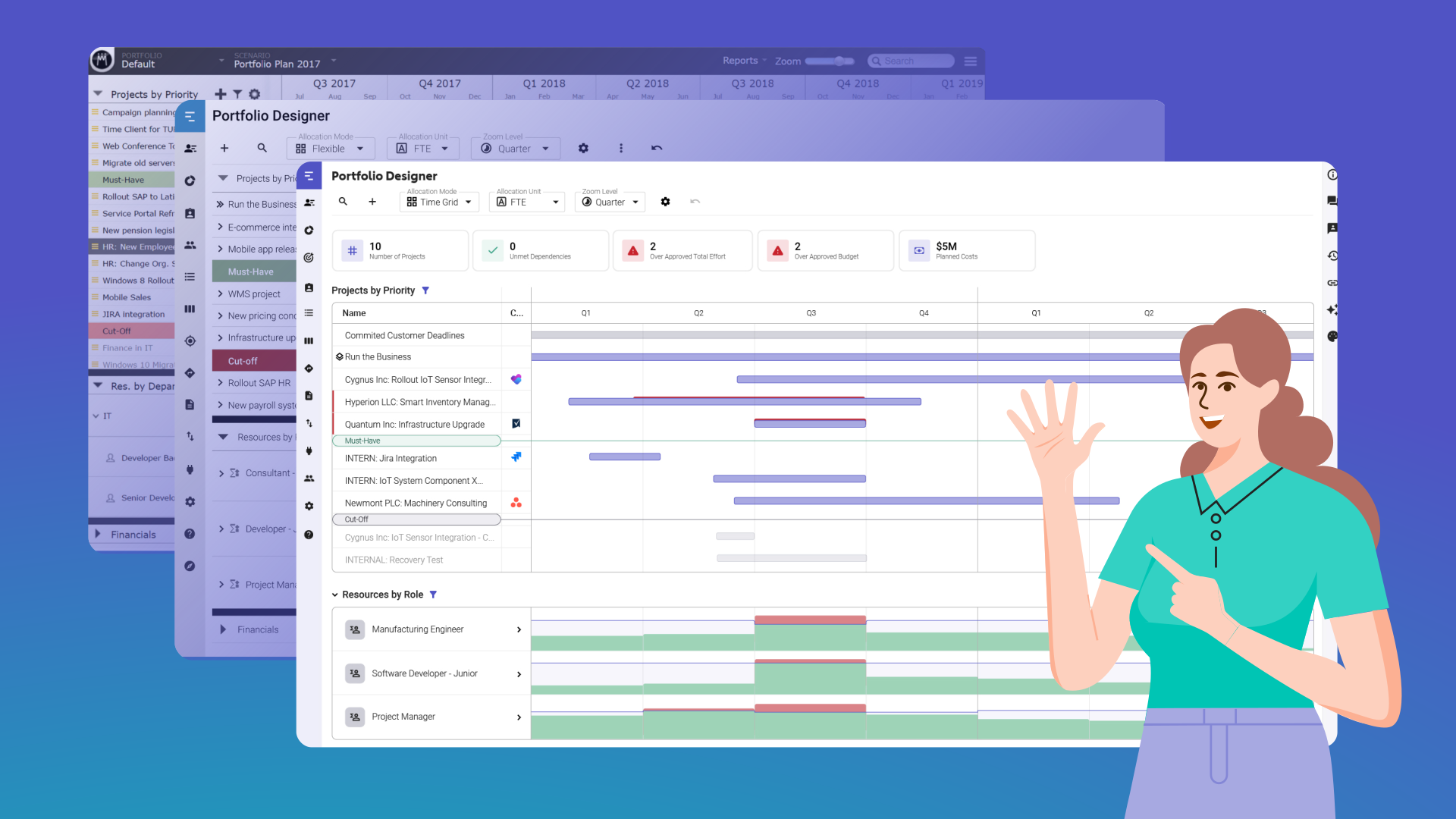
5 Things You’ll Love About the New Portfolio Designer
With our new Portfolio Designer coming out of beta soon, it’s time to get excited about everything the new-and-improved view has to offer!

Decide Faster by Making Trade-Offs Clear
Slow decisions delay strategic work. When leaders can see trade-offs earlier, they can align faster and move the right work forward sooner.