

So far in this series, we’ve looked at two common traps: relying on reports to make portfolio decisions, and setting priorities without checking capacity.
The third trap is asking for too much detail too soon.
In portfolio planning, “too much detail too soon” means asking teams to create delivery-level plans before leadership has decided whether the initiative should move forward, when it should happen, or how it fits against other work.
The request usually sounds reasonable. Before leadership can compare an initiative against the rest of the portfolio, they want more detail: a rough timeline, an estimate, key dependencies, involved teams, and maybe a breakdown of the work in Jira.
The intent is good. Leadership wants enough context to compare options before anyone commits. At the portfolio level, though, too much detail too early can have the opposite effect. It makes uncertain work look more certain than it really is.
Detail Feels Like Control
When there is uncertainty, the natural reaction is to ask for more information: What exactly needs to be done? How long will it take? Which teams are involved? How many sprints? Which epics? Which dependencies? What will be delivered by when?
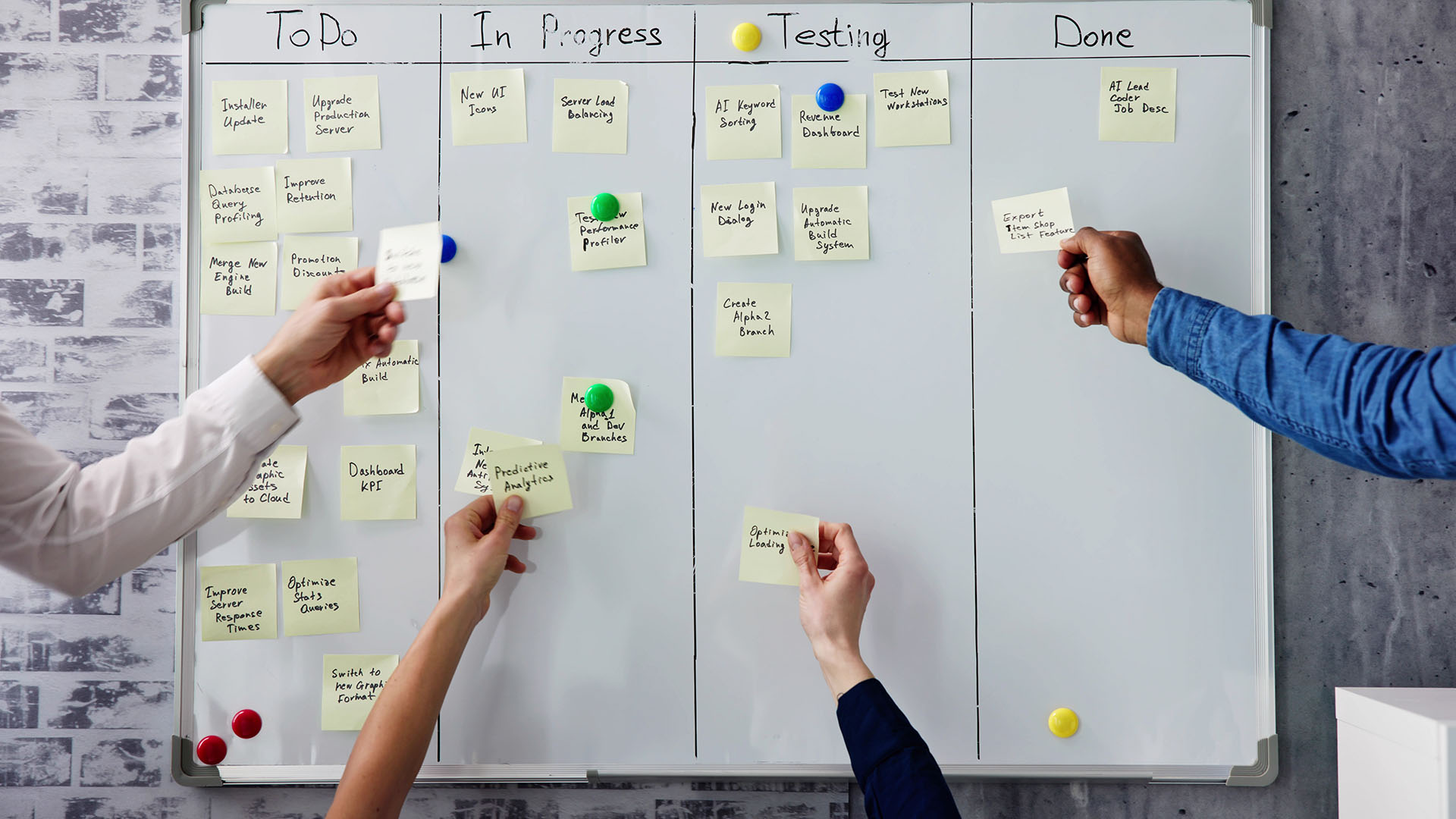
For teams working in Jira, this can quickly turn into pressure to break future work into epics, issues, estimates, and timelines before the organization has decided whether the initiative should move forward, whether it should move forward now, or whether it is mature enough for deeper planning. Instead of giving leaders enough context to decide what should happen next, teams spend time planning work that may change, move, shrink, or disappear entirely.
Jira-Level Detail Has Its Place
Jira is built for teams that need to manage delivery. It helps teams break work down, track progress, plan sprints, manage backlogs, and coordinate execution. Delivery teams need that level of detail when work is ready to move forward.
Jira-level detail becomes a problem when leaders need it before the initiative is ready for that level of planning. At the portfolio level, leaders are usually not trying to decide every task. They are deciding whether an initiative belongs in the portfolio, when it should happen, and which teams or roles it will need.
For that decision, a rough shape is often enough. You may need a high-level estimate, a likely time frame, key dependencies, and a sense of the teams involved. You usually do not need every issue planned out months in advance.
If you demand too much detail too early, teams may give you the best answer they can. The answer is still based on assumptions. Once those assumptions are turned into a detailed plan, they can start to look more reliable than they actually are.
The Cost of Early Detail
The time spent creating the plan is only part of the cost. The bigger drain is organizational energy.
When deadlines start slipping, it is tempting to respond by asking for more detail. More estimates. More task breakdowns. More dependencies. More precision in Jira. The idea is to make the plan feel solid.
If the work is still uncertain, all that detail can go stale within weeks. Teams pause meaningful work to estimate future work. Product owners or team leads spend time shaping backlogs around initiatives that may not be approved. Portfolio managers collect details that may be outdated by the next review. Leadership gets a plan that looks precise, but still does not answer the bigger question: should we commit to this?
Early detail becomes dangerous when it makes a weak decision look stronger. It can make a rough idea look approved. It can make a future commitment feel more certain than the organization can honestly support.
Then, when priorities shift or capacity changes, the plan has to be rebuilt. The team has to explain why the estimate changed. The portfolio view has to be updated. Everyone loses a little more trust in the planning process.
Why This Happens in Jira Environments
This problem shows up often in organizations using Jira because Jira contains so much useful delivery data. The issue is not Jira itself, but using Jira-level delivery detail to answer portfolio-level questions too early.
When leaders need answers, the instinct is to go to the system where the work lives. If the data is in Jira, the request becomes: “Can we get more detail from Jira?” However, portfolio planning and delivery planning are not the same job.
A Jira board can show what a team is working on today. It can show progress, backlog items, sprint plans, and delivery status. What it does not automatically answer is the portfolio-level question underneath the request for more detail: is this initiative ready for deeper planning?
The problem gets even harder when not every team works in Jira. Some teams may use Jira. Others may use Smartsheet, MS Planner, Asana, spreadsheets, or lighter planning processes. Asking every team for the same level of detail can create unnecessary work and still fail to produce a reliable basis for portfolio decisions. More detail does not automatically create better decisions. Sometimes it only creates more maintenance.
The Better Question
Instead of asking, “How detailed can we make this plan?” ask, “What level of detail do we need for the decision in front of us?”
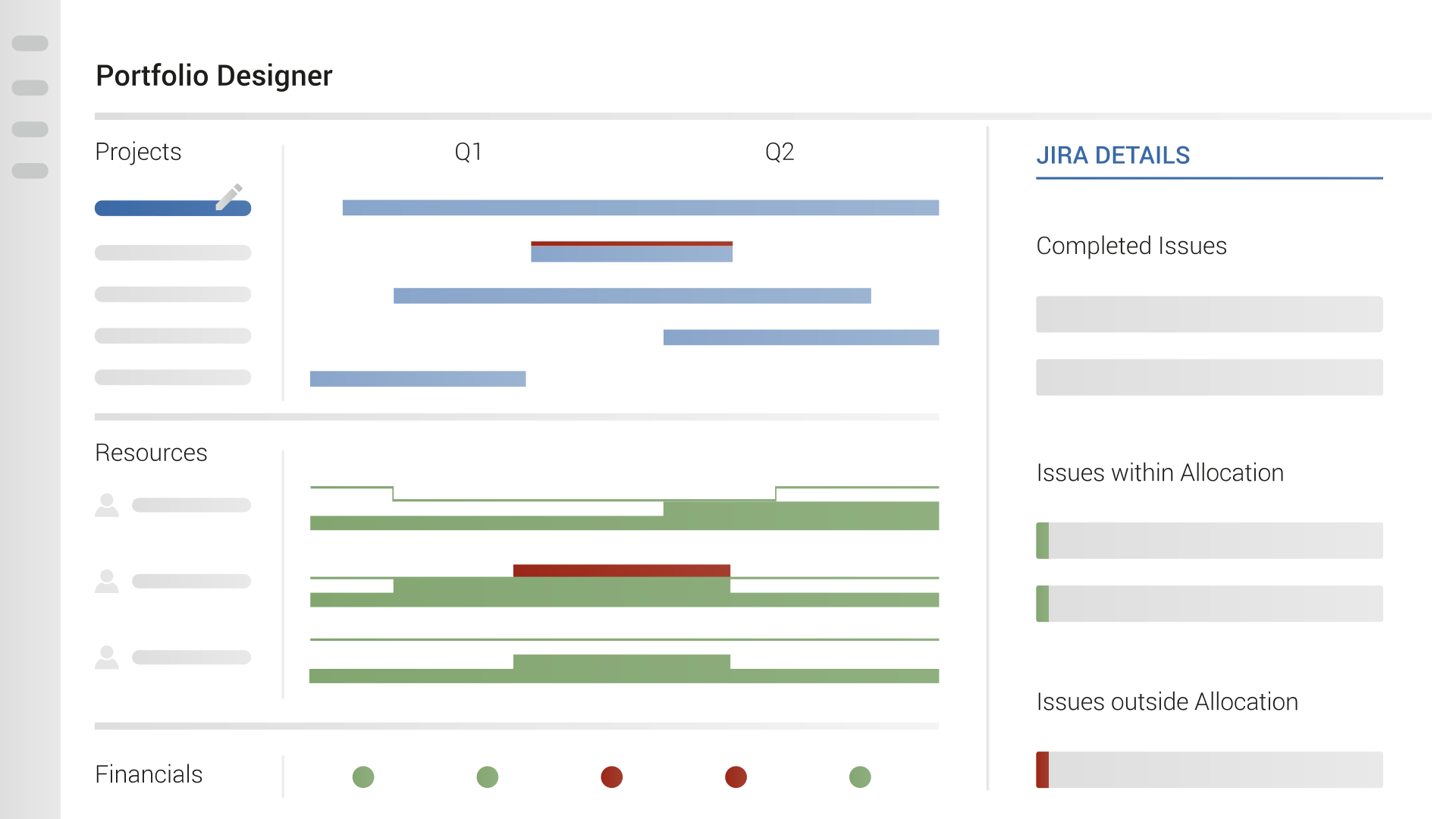
A staged approach gives each decision the right level of detail. For an early portfolio decision, you may only need enough detail to understand strategic fit, rough timing, likely capacity needs, and major dependencies. When you are ready to commit to the work, you may need a stronger view of available capacity, sequencing, and trade-offs.
For active delivery, the team needs much more detail. By then, Jira-level planning becomes useful because the work is ready to move from portfolio decision to execution. Matching planning depth to certainty keeps early ideas high level, gives serious candidates more structure, and saves delivery detail for committed work.
What This Looks Like in Practice
A portfolio manager might start with a rough initiative: the goal, expected value, likely teams involved, rough timing, and an early capacity estimate. With that, you can compare the initiative against other work and decide whether it belongs in the portfolio conversation.
If the initiative moves forward, the next level of detail can be added. Teams can refine estimates, identify dependencies, and shape the work more clearly. Once the commitment is real, delivery teams can break the work down in Jira in the level of detail they actually need.
This creates a cleaner handoff between portfolio planning and team execution. Leaders get enough information to make decisions without forcing teams into premature planning. Teams can stay focused until the work is real enough to deserve deeper breakdown.
Why This Matters
Too much detail too soon creates the illusion of certainty. The plan looks more mature than the decision really is. The roadmap looks more stable than the assumptions behind it. Teams also spend time preparing work before the organization has agreed whether that work should happen.
A more mature planning process protects teams from unnecessary detail too early, while still giving leadership enough information to decide what should move forward. The point is to add planning depth only when the work is ready for it, so teams spend less time maintaining premature plans and more time preparing the work that is actually moving forward.
Want to Go Deeper?
This is just one of five patterns that make portfolio decisions harder than they need to be.
In our full white paper, Avoiding the Downward Spiral of Portfolio Management with Jira Data, we break down:
- What’s not working when planning portfolios with Jira data
- Why these problems keep happening
- And how organizations can build a better portfolio and resource planning process around Jira
Read Next


Agile or Top Down Project Management? The Answer: Hybrid Project Management
What is behind the hype about agile work? And what really works? In this blog post, we answer these and other questions and explain the challenges that management faces and how you can solve them.

Are People Resources? – Why Do We Call Employees Resources?
What exactly does it mean to call people resources? We break down why the term is used and when it's appropriate to call people resources.