

Let’s discuss a common situation: A company had great intentions. In 2015, they began to update their IT systems. The heart of the initiativeInitiativeSynonym for → ProjectA project is a time-limited undertaking with defined objectives and resources that delivers unique results and often includes complex tasks. was a new, central tool for everything: project management, project portfolio managementProject Portfolio ManagementProject portfolio management (PPM) is a process that seeks to select, prioritize, monitor and analyze a company’s projects., management of employeeEmployeeSynonym for → ResourceResources are all the people, places and things that you need to complete projects. The most important resource? Employees, of course! data and addresses, and much more. One and a half years later, the first components of the new system are in operation, but they aren’t providing the desired results. Even worse, there is no uniform database and no one has a real overview of the project portfolio, which causes a large gap between the project plan and reality. Project portfolio management has become chaotic, and the list of deficiencies in the system is significantly longer than the list of projects managed by it. This happens more often than you may think. Companies pay millions for systems that no one uses. Those who demand a solution with 100% functionality, 100% central data, and 100% planning security will fail 100%. Traditional project portfolio management with a Swiss Army knife of functions and a complex PPM process is usually very expensive while producing minimal results. But why should it be so complicated when 20% of the process and functions of the tool should produce 80% of the results? This is the Pareto principle, commonly known as the 80/20 rule.
What Is the 80/20 Rule?
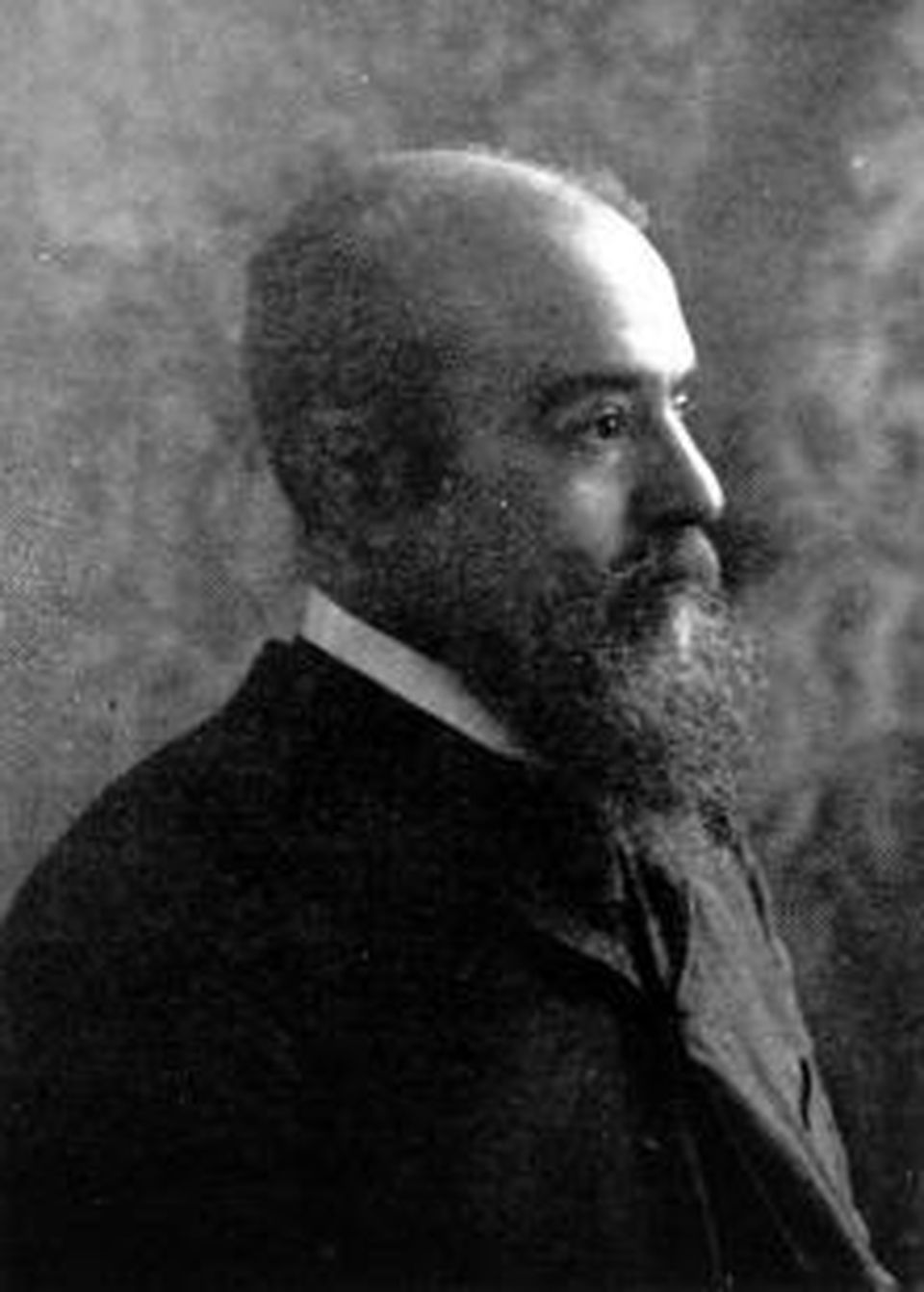
The Pareto principle is attributed to Italian economist, Vilfredo Pareto (1848- 1923). He noted that in Italy about 80 percent of assets were owned by only about 20 percent of the people. Pareto concluded that banks should concentrate on the wealthiest top 20 percent in order to make a more efficient profit. Pareto received harsh criticism for this idea, but his principal proved correct since the same proportions apply to many other situations.
His observation can be applied in both the positive and negative sense. With regards to quality assurance, the Pareto principle means that 80% of all quality deficiencies are caused by 20% of all possible errors. For project managementProject ManagementProject management is the planning, steering, and monitoring of projects to achieve specific objectives within a given timeframe and budget., it means that 80% of the result can be achieved with 20% of the effort. The remaining 20 percent demands a much greater amount of effort and often does not pay off.
80/20 is of course only a rough estimate. However, faithful to the idea that it’s “better to be roughly right than precisely wrong”, the 80/20 rule helps correctly prioritize the most important things and let go of the rest, while still achieving 80% of the success.
This also applies to project portfolio management and project portfolio managementProject Portfolio ManagementProject portfolio management (PPM) is a process that seeks to select, prioritize, monitor and analyze a company’s projects. software.
20% of Project Portfolio Management Is Sufficient
Keep It Simple! This concept is often applied to design, but it also applies to the project portfolio managementProject Portfolio ManagementProject portfolio management (PPM) is a process that seeks to select, prioritize, monitor and analyze a company’s projects. process. The more complicated, elaborate and academic the project portfolio management process is, the more likely it is doomed to fail. Less bureaucracy and effort, on the other hand, accelerates the process and increases its acceptance.
There is only a small core of activities that need to be done in PPM. You guessed it – only about 20% of the activities that you could include are actually necessary. Therefore, you need a strategy for the evaluation and prioritization of your projectsProjectA project is a time-limited undertaking with defined objectives and resources that delivers unique results and often includes complex tasks. (Strategize). You must collect project proposals in a structured way (Collect). Then you can decide which projects are to be accomplished and when (Decide). The results are communicated, and approved projects are controlled (Execute).
In each step, only a handful of different people are involved – broken down by roles.
Reducing the PPM process to only the absolutely necessary steps obeys the basic principle of Lean Production. Greater value creates less waste. This is why this approach is called “Lean PPM™”.
Project Portfolio Management Requires Only 20% of Data from Project Management
Do not fall into the wrong line of thinking that project managementProject ManagementProject management is the planning, steering, and monitoring of projects to achieve specific objectives within a given timeframe and budget. and project portfolio managementProject Portfolio ManagementProject portfolio management (PPM) is a process that seeks to select, prioritize, monitor and analyze a company’s projects. have to happen together. Imagine Lean PPMLean PPMSynonym for → Lean Project Portfolio ManagementLean Project Portfolio Management (Lean PPM) is a lightweight framework for managing an organization’s project portfolio. It helps determine which projects to run, when to run them, and with which… as more than just a level above project management. Between the two levels, as little time as possible is wasted – that means that only the necessary information is exchanged. Your project portfolio isn’t affected if TaskTaskSynonym for → ProjectA project is a time-limited undertaking with defined objectives and resources that delivers unique results and often includes complex tasks. X gets done today or tomorrow. Only information such as project start and completion dates, milestonesMilestoneIn project portfolio management, a milestone marks an important point in a project’s progress that requires monitoring or decision-making. Milestones indicate project phases, marking the completion of objectives or the…, dependencies, employeesEmployeesSynonym for → ResourceResources are all the people, places and things that you need to complete projects. The most important resource? Employees, of course! involved and resource requirements are relevant. Limit your planning to a few milestones. The longer the time frame you plan for, the less precise your plans should be. For example, if the project duration is two years, it is sufficient to plan down to the month. You can make more precise plans as the project proceeds.
Remember: with only 20% of the effort you can achieve 80% of the result. This also applies to project portfolio management software. A PPM tool with only 20% of the functions? Question: How many functions of Excel do you actually use? Having 20% of all possible functions does not mean that important functions are missing. It simply means that there is no excess in your project portfolio management tool. A lean tool is sufficient for a lean process.
Read Next

From Manual Resource Planning to Reliable Resource Management
Learn how Sulzer GmbH established data-driven management of its project business with Meisterplan.

Why Too Much Detail Too Soon Backfires
In the third post of this five-part series on portfolio planning with Jira data, we look at why asking teams for too much detail too soon can create false confidence before key portfolio decisions have been made.