
Project Management Office:
Definition, Example and Synonyms
A Project ManagementProject ManagementProject management is the planning, steering, and monitoring of projects to achieve specific objectives within a given timeframe and budget. Office (PMO) is responsible for centrally coordinating and managing all projectsProjectA project is a time-limited undertaking with defined objectives and resources that delivers unique results and often includes complex tasks. within a company. The PMO defines the standards for project management within an organization and ensures they are upheld. The role of a PMO is especially important in larger organizations with numerous and complex projects, as it provides an overview of all processes, changes, conflicts and risks, thereby facilitating decision making.

A Practical Example
The company Good Solutions Inc. realized that a lot of time and resourcesResourceResources are all the people, places and things that you need to complete projects. The most important resource? Employees, of course! were wasted last year. Projects that didn’t quite fit the company’s strategic goals were executed, deadlines were missed, and both customers and employees were not entirely satisfied.
A Project Management Office is Needed!
It should be comprised of colleagues whose talents and expertise are complementary. They should make project execution more efficient, ensure that resources are better utilized and improve the quality of project results.
Max and Anna are primarily responsible for planning, implementing and monitoring projects in the company. They coordinate resources, schedules and budgets to ensure that project objectives are met.
Members of the Pipeline Review Committee — Jan, Stella, Samuel and Denise — review, evaluate and prioritize project initiatives submitted by various initiators. They decide which projects align with the company and should be further developed.
Resource manager Michael manages resources (employees, hardware, software, etc.) for all projects in the company. He ensures that the right people are working on the right projects at the right time.
Members of the Portfolio Board, Thorsten and Emilia, implement the strategy through successful project portfolio managementProject Portfolio ManagementProject portfolio management (PPM) is a process that seeks to select, prioritize, monitor and analyze a company’s projects.. They also make important decisions about issues in the active project portfolio.
Project managers create detailed project plans with milestonesMilestoneIn project portfolio management, a milestone marks an important point in a project’s progress that requires monitoring or decision-making. Milestones indicate project phases, marking the completion of objectives or the…, tasks and schedules.
The PMO also utilizes Meisterplan as a Lean PPMLean PPMSynonym for → Lean Project Portfolio ManagementLean Project Portfolio Management (Lean PPM) is a lightweight framework for managing an organization’s project portfolio. It helps determine which projects to run, when to run them, and with which… tool to facilitate project management.

With these measures, the PMO ensures that Good Solutions Inc. focuses on projects that truly fit the company’s strategy. It also conducts regular quality assurance checks and identifies areas for improvement. The PMO informs stakeholders about project progress and generates regular status reports.
The CEOs of Good Solutions Inc. noticed that projects were executed and completed successfully, meaning both customers and employees are satisfied!
Synonyms and Abbreviations
A very common abbreviation for Project Management Office is PMO.
FAQ
What does a PMO do? A PMO’s responsibilities include the following:
- Portfolio monitoring
- Aligning projectsProjectA project is a time-limited undertaking with defined objectives and resources that delivers unique results and often includes complex tasks. with company strategy
- Resource planning
- Standardizing project managementProject ManagementProject management is the planning, steering, and monitoring of projects to achieve specific objectives within a given timeframe and budget. methods
- Supporting project teams and project managers
A PMO’s success relies on appropriate staffing, budgeting, clear responsibilities and recognition of the value they bring to the organization.
First and foremost, a PMO has a clear goal: to support employeesEmployeesSynonym for → ResourceResources are all the people, places and things that you need to complete projects. The most important resource? Employees, of course! and help them successfully execute projects. Long-term goals include the financial success of the company and the satisfaction of stakeholders and employees.
The introduction of a PMO can bring significant benefits to your company. Like project portfolio management, a PMO sits between strategy and project execution, filling a gap often left unaddressed in many organizations. It drives strategy forward while keeping an eye on the ongoing projects and associated resources.
Below are some of the key benefits of establishing a PMO:
Increased Project Success Rate
A PMO helps standardize project management across the company and coordinate different teams. This enables better project planning and cross-team implementation. As a result, more reliable forecasts can be made and more projects are completed on time and successfully.
Efficient Resource Management
The PMO optimizes resource utilization by ensuring the right resources are available at the right time for the right projects. It prevents over- or under-utilization of employees and considers skills as well as team synergies.
Strategic Alignment
The PMO ensures that all projects are aligned with the company’s strategic goals and contribute to overall business objectives. By prioritizing projects based on their strategic value, the PMO ensures that the most strategically important projects always have sufficient capacity.
Improved Decision-making
A PMO provides the company’s leadership with reliable, data-driven insights and status reports on projects, enabling informed decision-making. By early identification and management of emerging risks, the PMO helps mitigate potential issues that could impact project success.
To introduce a Project Management Office (PMO) into your organization, you can follow these steps:
- Start Small: Begin by introducing a PMO in one department or location. This allows you to tailor the PMO to the specific needs of your organization and make adjustments as necessary.
- Assign Roles: Distribute the essential roles within the PMO and appoint individuals such as a Portfolio Coordinator and members for the Pipeline Review Committee.
- Implement a Lean PPM Tool: Use a tool like Meisterplan to enhance transparency, optimize workload distributionDistributionSynonym for → AllocationAllocating describes the strategic process of identifying the correct resources for projects or individual tasks and assigning them accordingly. and provide a strategic overview of the project pipeline. This will help prevent employee overload and ensure better resource utilization.
- Focus on Quick Wins: Initially, aim for quick successes to gain the confidence of stakeholders and employees. Demonstrating immediate benefits can foster support and momentum for the PMO.
- Manage Change: Support the introduction of the PMO with change management initiatives. Strive for sustainable improvements to increase satisfaction for all parties.
Project Management Office and Meisterplan
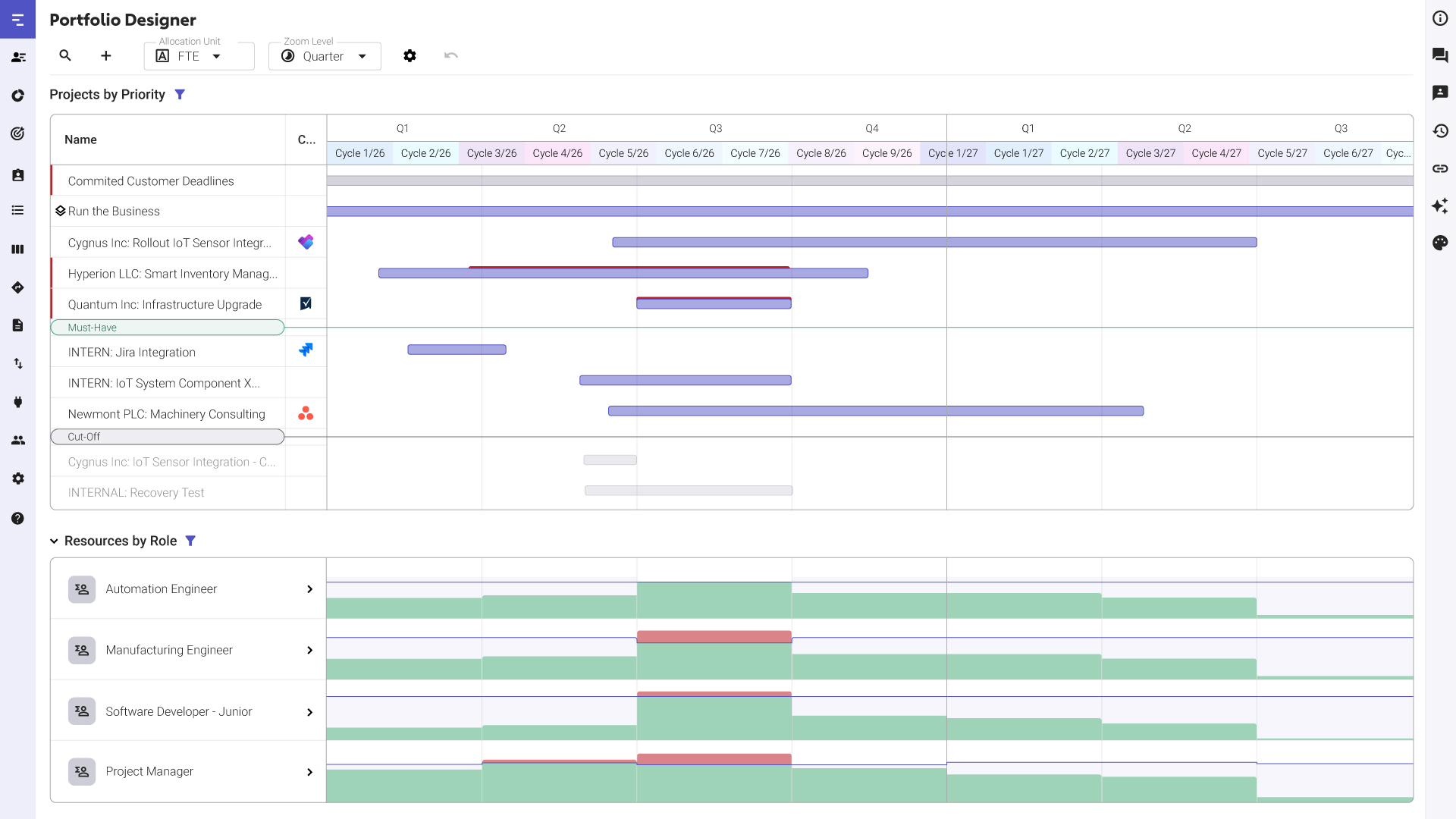
Meisterplan is the ultimate tool for your PMO, as it enables you to work particularly efficiently. Our Lean PPM tool seamlessly maps your entire portfolio process and allows you to create plans that work for everyone in the company. You can keep track of all resourcesResourceResources are all the people, places and things that you need to complete projects. The most important resource? Employees, of course! and projectsProjectA project is a time-limited undertaking with defined objectives and resources that delivers unique results and often includes complex tasks. and make well-informed decisions. This way, your stakeholders remain convinced!
This might also be of interest to you

What Is a Project Management Office (PMO) and Why Do I Need It?
Learn what a Project Management Office (PMO) does, what benefits it can bring and how you can best introduce a PMO in your organization.

5 Ways PMOs Can Help Reduce Complexity in Your Organization
Some complexity in an organization is good (and necessary), but to keep complexity under control, try these five ways to reduce complexity.

5 Keys to Success for a PMO Director
What are the keys to success for a PMO director? Here are five character traits and soft skills the ideal PMO director should possess.